
1. Texas Sage (Leucophyllum frutescens)
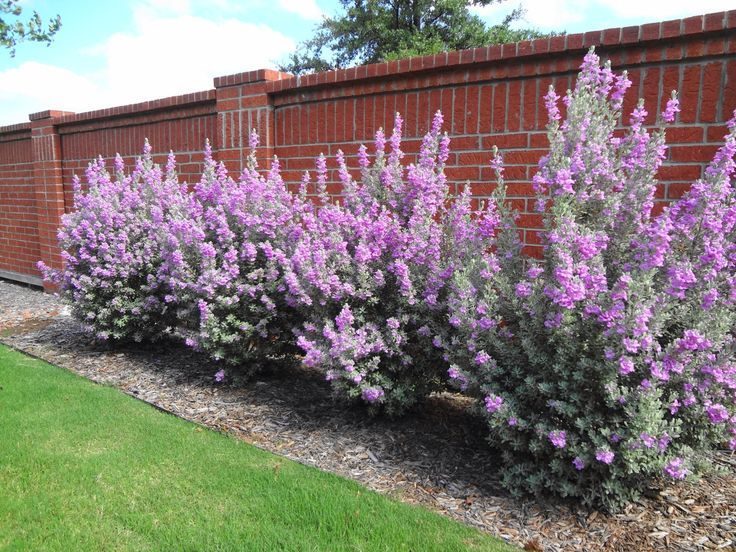
Type: Shrub
Sun Requirements: Full sun
Watering Requirements: Drought-tolerant once established; requires minimal watering
Mature Size: Typically reaches a height of 3-8 feet with a similar spread
Fun Facts:
- Texas Sage goes by a few names: “Texas Ranger” or “Purple Sage” due to its purple flowers, and “Barometer Bush” because it will sometimes flower before it rains.
- It’s not actually a sage, so we don’t know why it’s called Texas Sage.
- Blooms several times per year.
- The silvery-gray leaves of Texas Sage are covered in fine hairs, helping the plant conserve moisture and survive in harsh environments.
- Attracts pollinators like bees and butterflies.
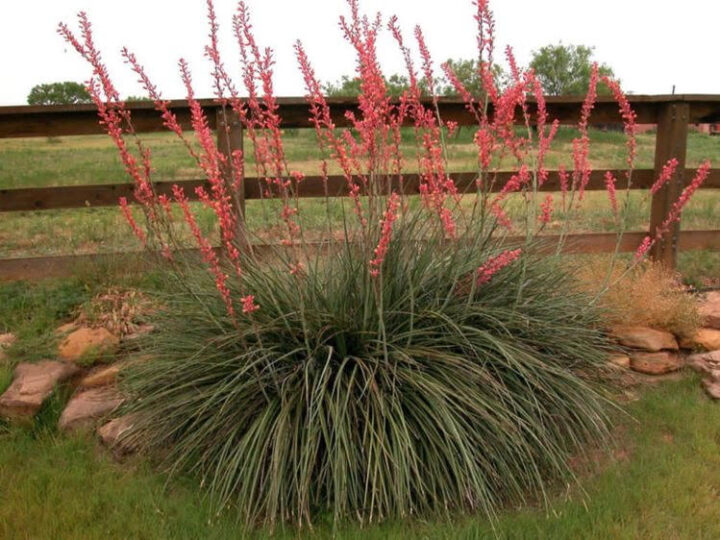
2. Red Yucca (Hesperaloe parviflora)
Type: Perennial
Sun Requirements: Full sun
Watering Requirements: Highly drought-tolerant; minimal watering once established
Mature Size: Typically grows to a height of 2-3 feet with a spread of 2-3 feet
Fun Facts:
- Red Yucca is known for its striking coral-red flower spikes that attract hummingbirds.
- Despite its name, it is not a true yucca but shares similar xeriscaping benefits. (Isn’t it funny that our first two plants are misnamed in culture?)
- The plant features narrow, grass-like leaves that form a dense rosette, adding texture to garden landscapes.
- It’s a low-maintenance choice that thrives in poor, well-drained soils.
- Despite what look like tiny flowers, hummingbirds love this plant.
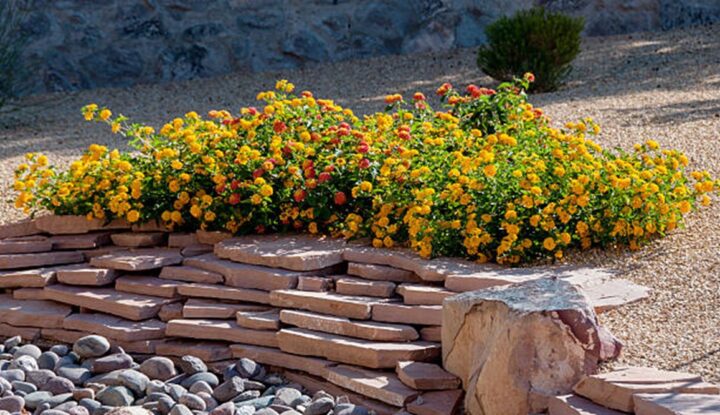
3. Lantana (Lantana camara)
Type: Plant/ Perennials / Flower.
Sun Requirements: Full sun.
Water Requirements: Once established they only need water once a week.
Height: two types – shrub and trailing
Fun Facts:
- Can be found in several colors to include yellow, pink, purple, white, or mixed.
- Can grow upright or trailing.
- Attracts pollinators and repels pests.
- Are commonly used in butterfly gardens.
- One of the reasons lantana is highly valued in gardens is its long flowering season.
- Should be trimmed back to the ground almost every year.
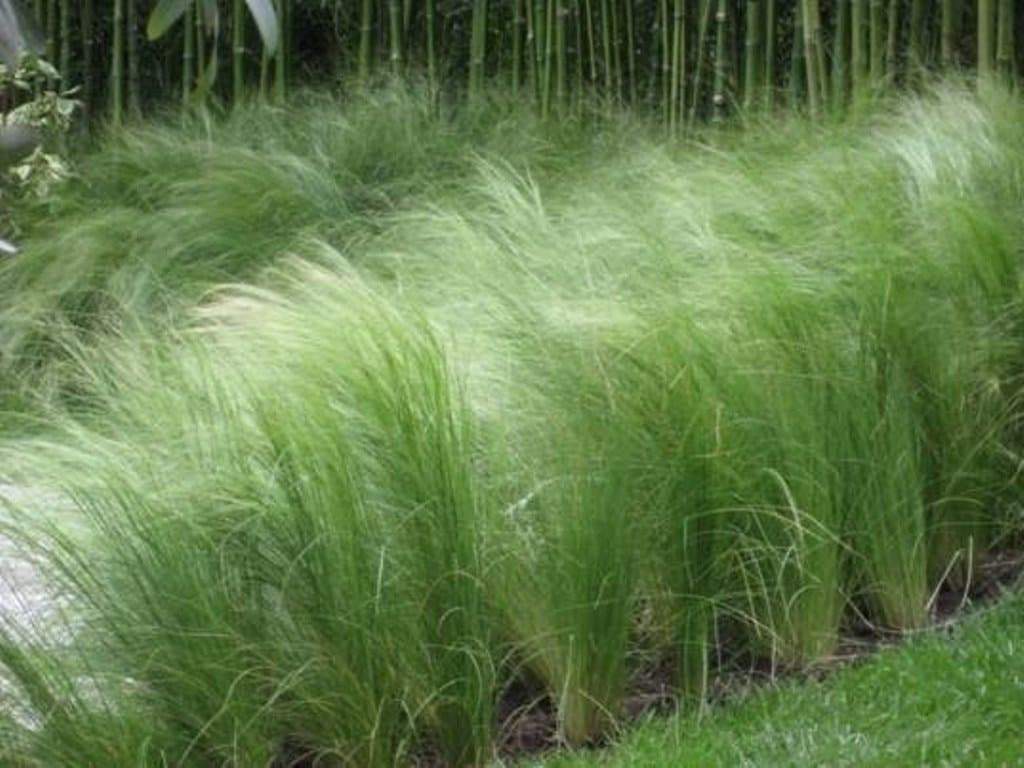
4. Mexican Feathergrass (Nassella tenuissima)
Type: Ornamental grass
Sun Requirements: Full sun to partial shade
Watering Requirements: Drought-tolerant; minimal watering once established
Mature Size: Typically reaches a height of 2-3 feet with a similar spread
Fun Facts:
- Mexican Feathergrass is valued for its delicate, airy appearance and fine, feather-like foliage that sways gracefully in the wind.
- The grass produces beautiful, golden-tan seed heads that persist through the winter, adding visual interest to landscapes.
- It is well-suited to xeriscaping and can handle a variety of soil types, including poor and rocky soils.
- Its lightweight, flowing texture contrasts nicely with more rigid plants and adds a soft touch to garden designs.
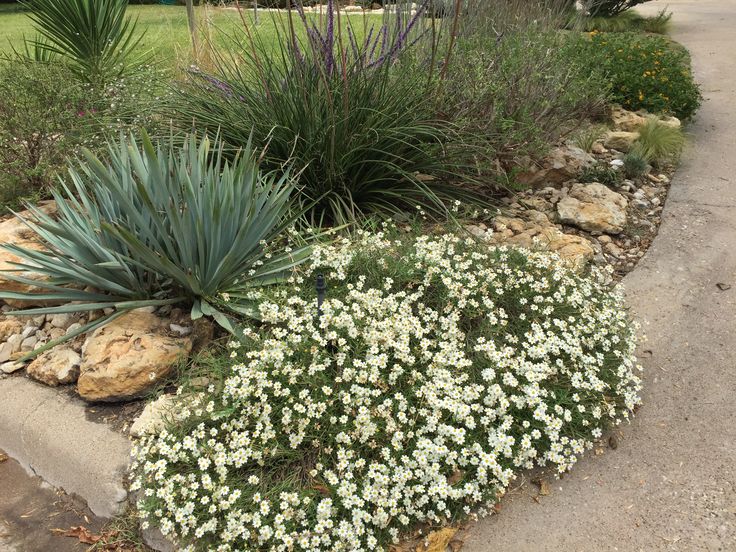
5. Blackfoot Daisy (Melampodium leucanthum
Type: Plant / Flower / Perennials
Sun Requirements: Full sun and part shade.
Water Requirements: once established infrequent but deep watering this plant will need
Height: 12 inches
Fun Facts:
- Known to flourish in rock gardens. Blooms attract butterflies, bees, and envious neighbors.
- They are actually two flowers the outside petals are one flower and the central disc is another.
- Its leaves are High with Vitamin C (not that I’ve ever eaten them).
- After every bloom cycle, they must be cut back to prepare for the next bloom session.
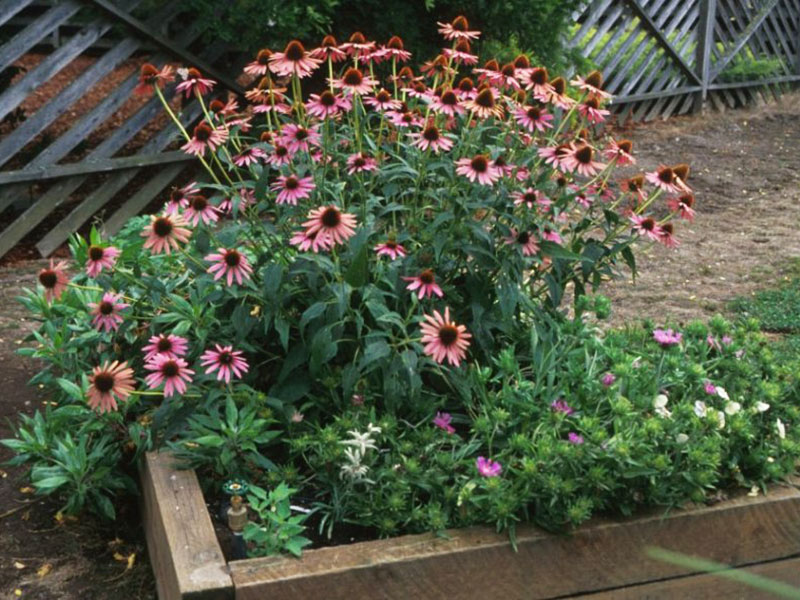
6. Purple Coneflower (Echinacea purpurea)
Type: Perennial
Sun Requirements: Full sun to partial shade
Watering Requirements: Drought-tolerant once established; regular watering during the first growing season
Mature Size: Typically grows to a height of 2-4 feet with a spread of 1-2 feet
Fun Facts:
- Purple Coneflower is renowned for its large, daisy-like flowers with vibrant pink to purple petals and a prominent, spiky central cone.
- It is a hardy plant that attracts pollinators, including bees, butterflies, and birds.
- The plant has medicinal uses, historically utilized for its potential immune-boosting properties.
- Its robust nature makes it a popular choice for xeriscaping and naturalized gardens.
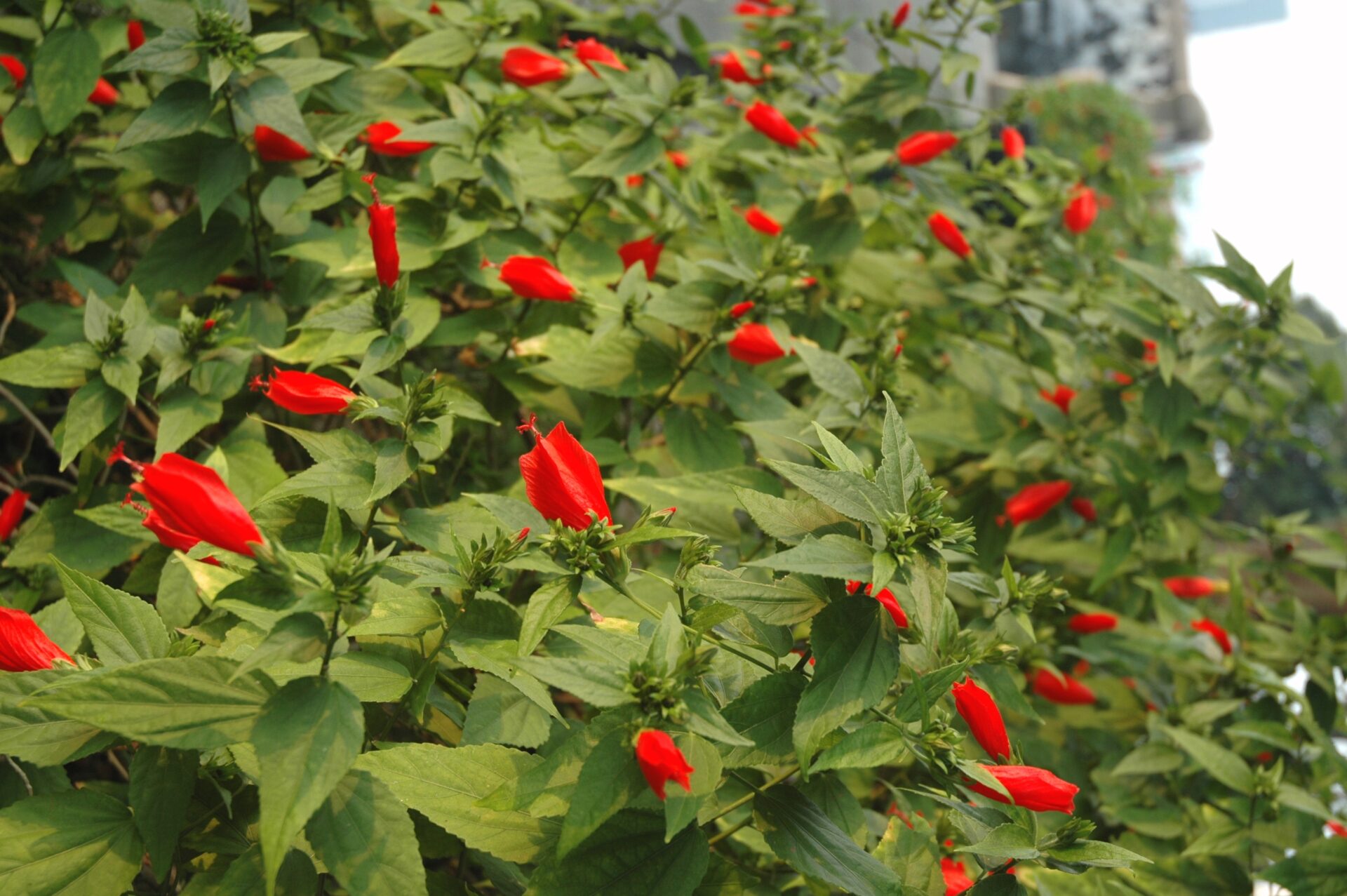
7. Turk’s Cap (Malvaviscus arboreus)
Type: Plant/ flower/ low grade perennial.
Sun Requirements: Full sun/ Partial shade/ Full shade.
Water Requirements: Once established requires water once every 12 days.
Height: 5 feet
Fun Facts:
- Turk’s Cap is a good ornamental for shady gardens, woodlands, or containers.
- Goes dormant in the winter and requires a cut back but comes back in the spring.
- Its flowers can be used to treat inflammation of the digestive tract.
- Another hummingbird favourite despite the small flowers. I was literally teaching my son about this when a hummingbird showed up.
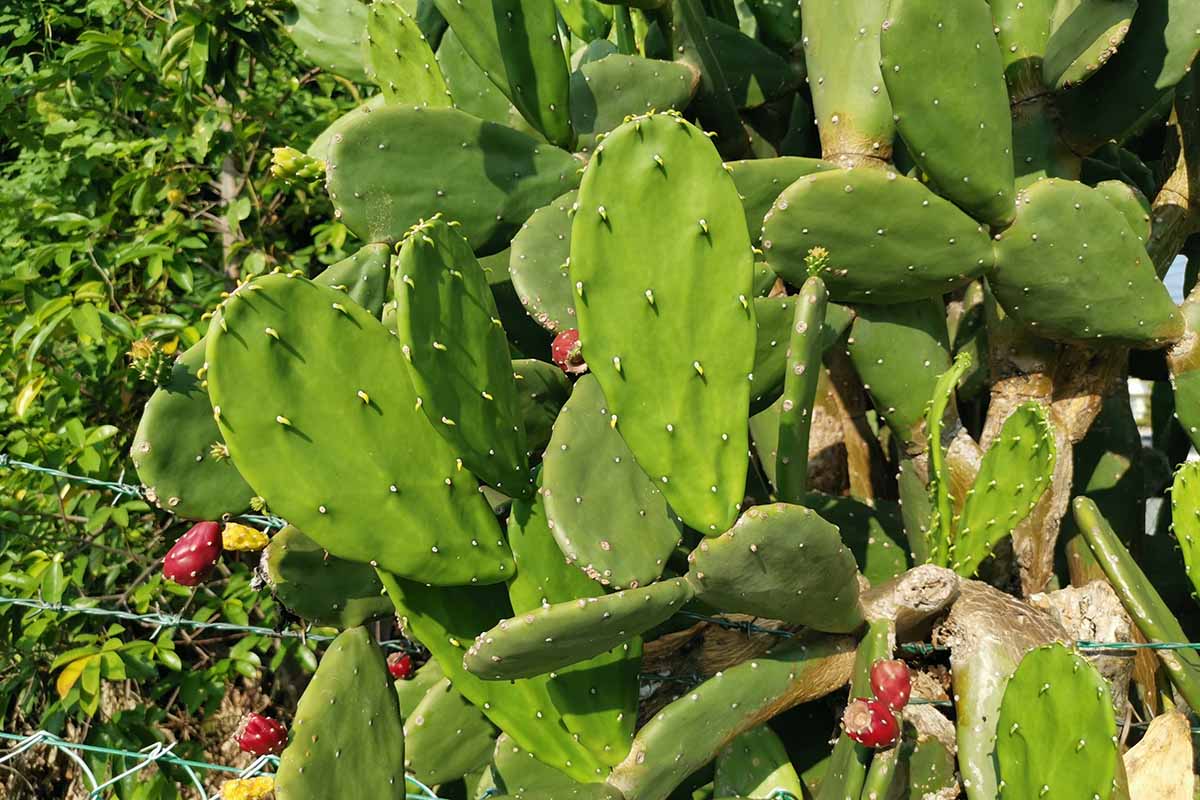
8. Spineless Prickly Pear Cactus
Type: Succulent
Sun Requirements: Full sun
Watering Requirements: Extremely drought-tolerant; very low water needs
Mature Size: Typically reaches a height of 2-3 feet with a spread of 3-4 feet
Fun Facts:
- Spineless Prickly Pear Cactus is known for its flat, oval pads that are smooth and lack the typical spines of other prickly pears, making it easier to handle and maintain.
- It produces vibrant yellow or orange flowers in the spring, followed by edible, red fruit called “tunas” that can be used in culinary applications.
- The plant is highly drought-tolerant and thrives in hot, dry conditions, making it a perfect choice for xeriscaping.
- Its unique appearance and minimal maintenance needs make it an attractive option for adding variety and texture to low-water gardens.
- All you have to do is lay a pad flat on the ground, and it will start to do its thing.
- Don’t let it trick you. Spineless does not mean there aren’t tiny spines still. They can stuck in your fingers. I know this from personal experience.
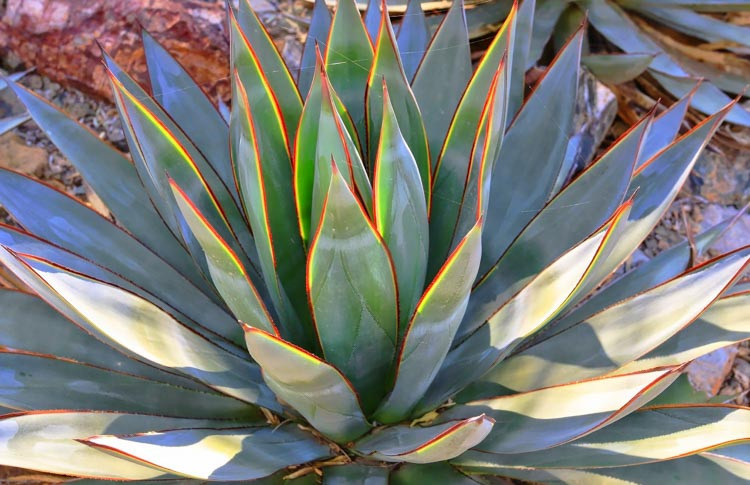
9. Blue Glow Agave (Agave ‘Blue Glow’)
Type: Succulent
Sun Requirements: Full sun
Watering Requirements: Drought-tolerant; infrequent watering once established
Mature Size: Typically reaches a height of 1-2 feet with a spread of 2-3 feet
Fun Facts:
- Blue Glow Agave is admired for its striking blue-gray foliage and orange-red margins, creating a visually stunning contrast in xeriscapes.
- This agave forms a compact rosette of thick, fleshy leaves that end in sharp, yet graceful, spines.
- It produces tall flower spikes with tubular yellow-green blooms, though it typically flowers only once in its lifetime.
- The plant is low-maintenance and highly resistant to pests and diseases, making it a favorite for low-water gardens.
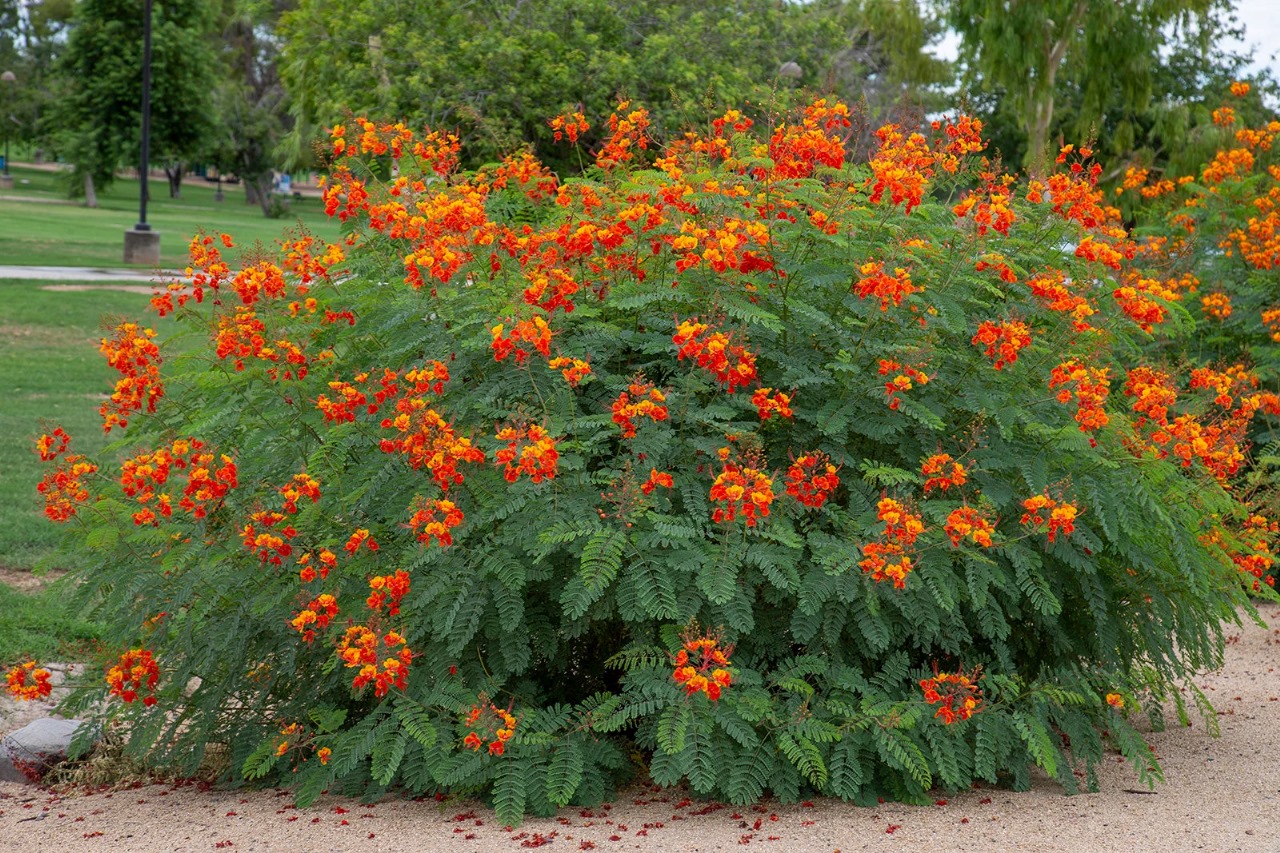
10. Pride of Barbados (Caesalpinia pulcherrima)
Type: Shrub
Sun Requirements: Full sun
Watering Requirements: Drought-tolerant once established; requires minimal watering
Mature Size: Typically reaches a height of 6-10 feet with a similar spread
Fun Facts:
- Pride of Barbados is celebrated for its vibrant, flamboyant flower clusters in shades of red, orange, and yellow, which resemble a fiery display.
- The plant features finely divided, fern-like leaves that add a delicate texture to the landscape.
- It attracts a variety of pollinators, including hummingbirds and butterflies, due to its bright and showy blooms.
- It is also known as the “Royal Poinciana” in some regions and is a popular choice for creating dramatic focal points in xeriscape gardens.
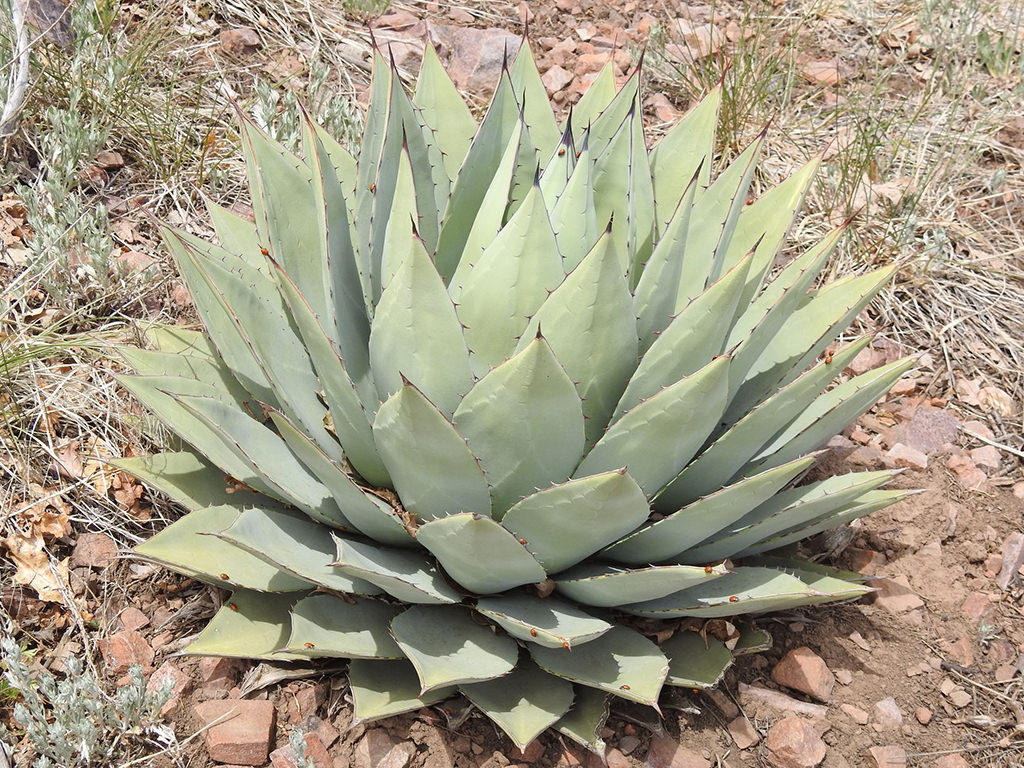
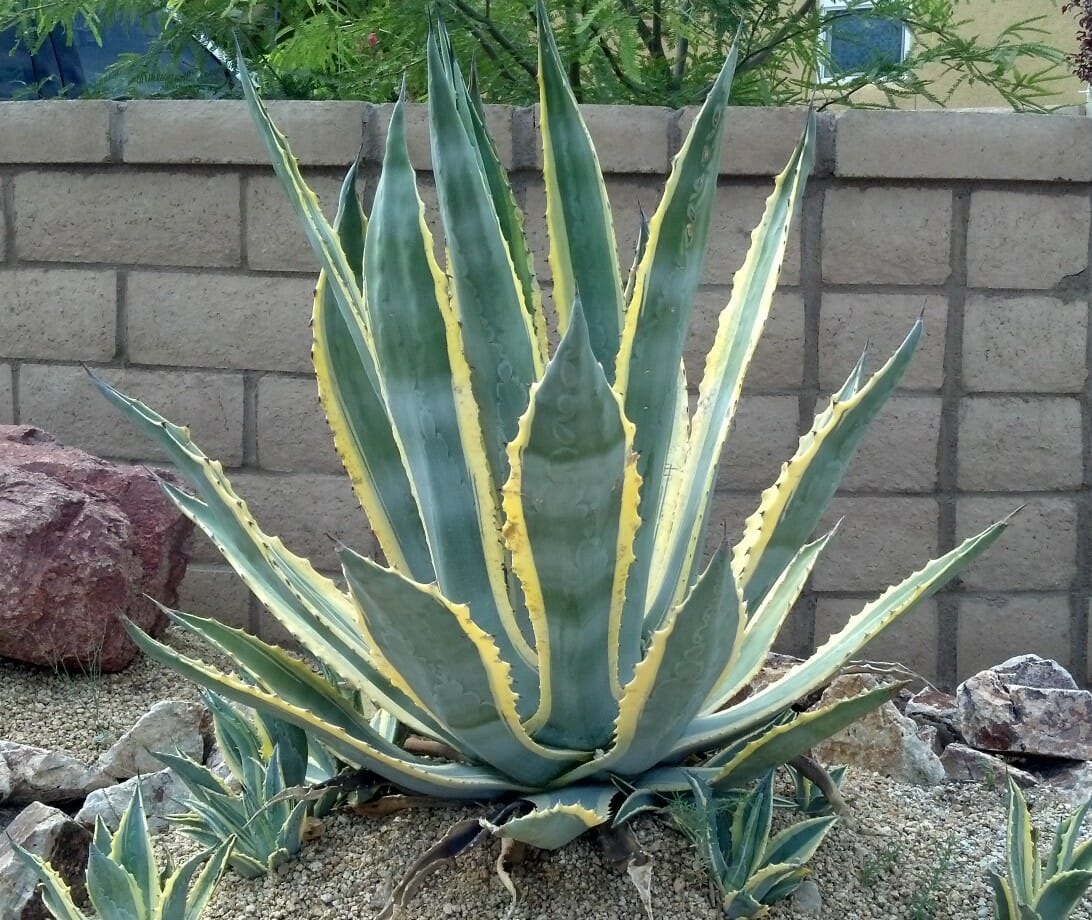
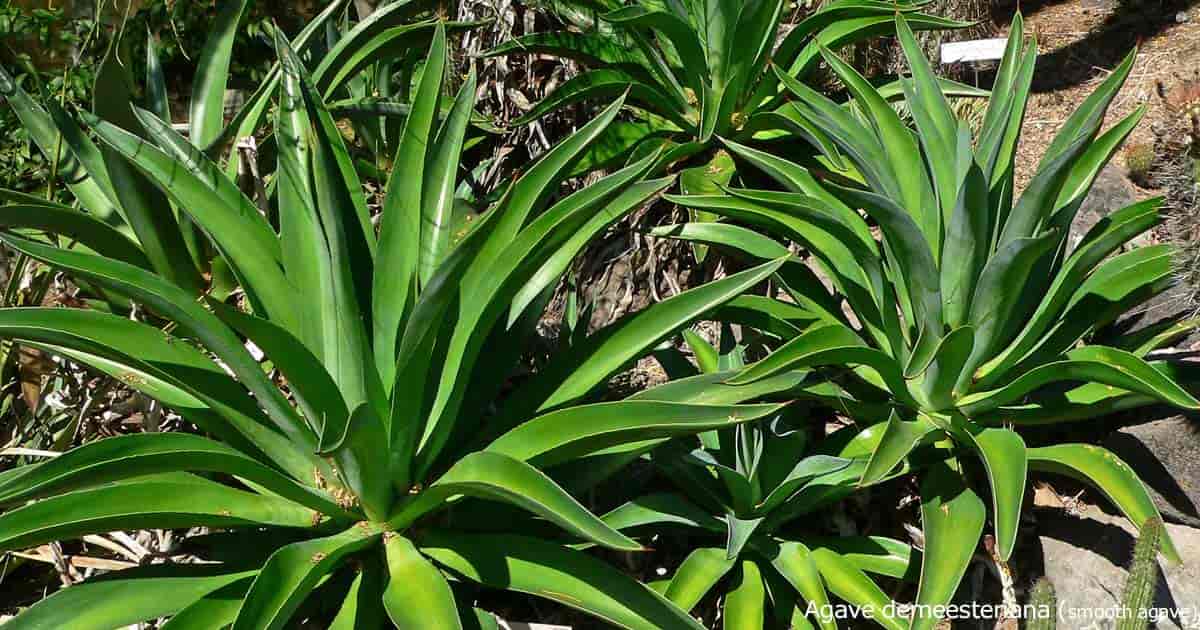
Bonus: Other Agaves