

Short Version:
Backflow happens when water flows the wrong way and takes contaminants with it. A backflow prevention device keeps fertilizers, pet waste, pool chemicals, and more out of your drinking water. If you have an irrigation system in Central Texas, this is one of those things you don’t want to ignore.
So… What Is Backflow?
Water is supposed to flow one direction: from the city’s main water line to your home’s faucets, sprinklers, and hose bibs.
But sometimes, due to a drop in pressure or a back-up somewhere in the system, it can reverse direction. That’s backflow. And if there are any contaminants nearby (think fertilizer, dirty hose water, or pool chemicals), they can be pulled back into your clean water supply.
Bad news for your kitchen sink. Worse news for your family’s health.
What Causes Backflow?
Here are a few common situations that can lead to backflow:
- Water main breaks or repairs in your area
- Heavy water use nearby (like hydrants during a fire)
- Your own irrigation system, especially if it connects to fertilizer sprayers or sits near pet waste
- Submerged hoses in pools, buckets, or fish ponds
These events cause sudden drops in pressure. Without a barrier, contaminated water can siphon back into the supply.
How Does Backflow Prevention Work?
A backflow prevention device is like a one-way gate for your water. It lets clean water in but blocks anything from going backward.
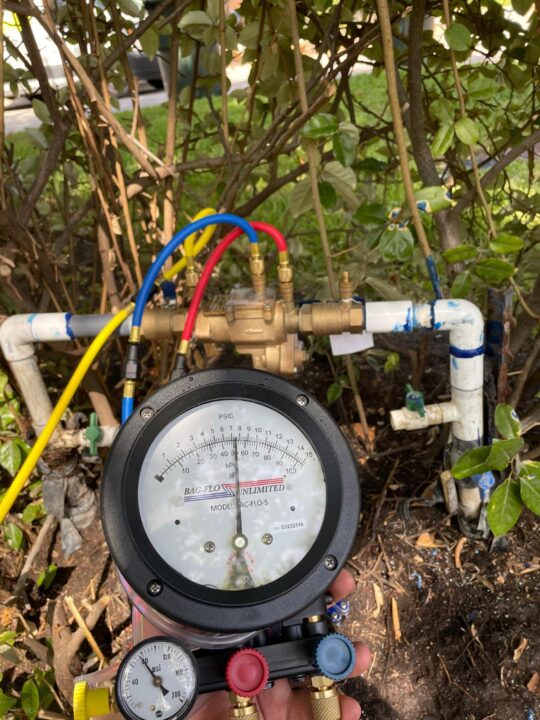
In most residential landscapes, this means installing a Reduced Pressure Zone (RPZ) device or double check valve at the connection between your irrigation system and your home’s main water line. In simpler setups, an anti-siphon valve may be enough.
Bonus: if you use a hose-end sprayer for fertilizers or pesticides, you can buy a simple screw-on vacuum breaker to prevent backflow through the hose.
Do I Really Need One?
Yes, especially in Central Texas.
If you live in Austin, Lakeway, Bee Cave, or pretty much anywhere with city water and an irrigation system, your municipality (and the TCEQ) probably requires a tested, certified backflow prevention device.
In fact, most cities require:
- Proper backflow installation on any irrigation system
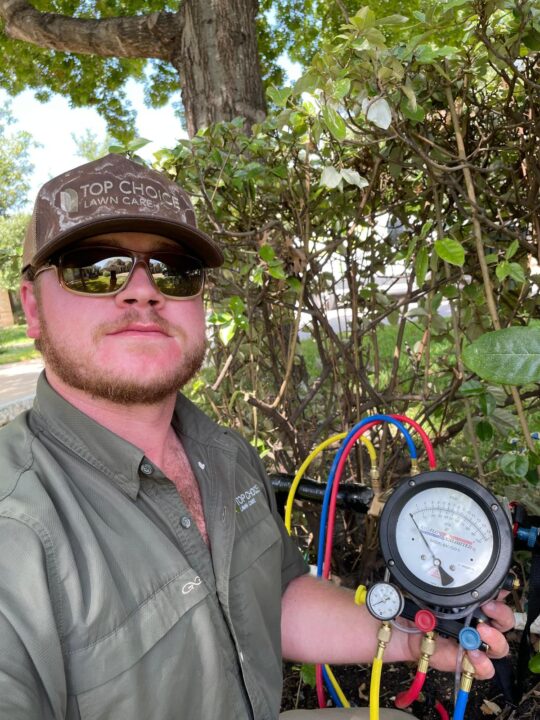
- Annual testing by a licensed backflow inspector (we can help with that)
- Replacement or repair if the device fails
And if you’re part of an HOA or commercial property, the stakes (and the inspections) are even higher.
What Happens If You Skip It?
- Health risks: Waterborne contaminants from your yard could end up in your drinking water.
- Legal trouble: Non-compliant systems can result in fines or forced repairs.
- Real estate delays: When selling your home, missing or outdated backflow protection can cause issues during inspection.
- Wasted water: Failing systems often go hand-in-hand with leaks, pressure loss, and poor performance.
Not Sure If You’re Protected?
Here’s how to find out:
- Check near your irrigation controller or water meter for a brass or plastic device with test ports—it may be above ground or in a valve box.
- Look through old paperwork from your irrigation installation or backflow test.
- Or, just ask us. We offer quick inspections and can tell you if you’re compliant and protected.
Bottom Line: Keep Your Water Clean
Backflow prevention may not be flashy but it’s one of the most important pieces of plumbing in your yard.
It protects your health, keeps you compliant with local regs, and makes sure your irrigation system plays nice with the rest of your water system.
👉 Need a backflow check or test? Book a visit with our licensed team today.