

Short Version (For the Busy Homeowner)
- Keep it off plant trunks—think donut, not volcano.
- Mulch tastes like regret. Don’t eat it.
- 2–3 inches deep is the sweet spot.
- Native hardwood mulch wins in Central Texas.
- Skip rubber mulch and landscape fabric.
- Refresh once or twice a year.
1. So… What Does Mulch Taste Like?
It tastes like responsible landscaping. But also… I’ve actually taken a bite of mulch before. Don’t ask me why. It tastes exactly like you’d expect: A dirty tree branch. That’s nasty. Just take it from me—you don’t need to do it yourself.
2. How deep should I mulch?
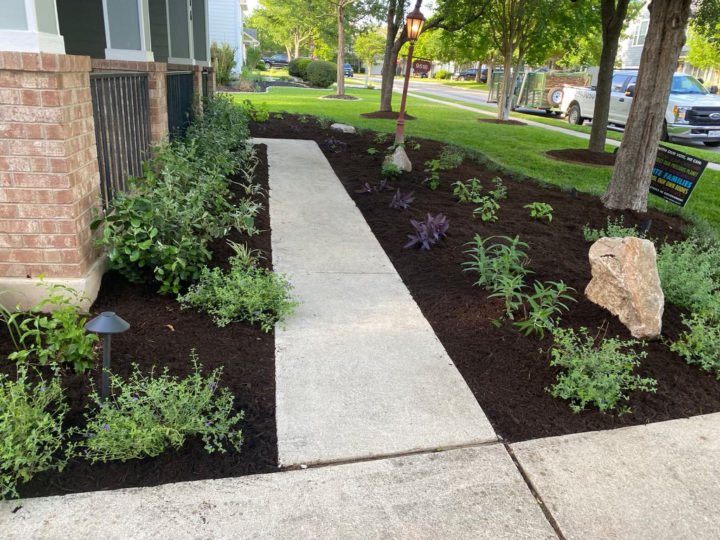
Two to three inches is the sweet spot. Not too shallow—you want to suppress weeds. Not too deep—you don’t want to trap moisture too far down. Think of it like guac on a taco: just enough to cover, not enough to smother. A while back I wrote an article in the Austin American Statesman about this: HERE
3. What types of mulch are there?
Before we get into the options, here’s a quick look at where mulch actually comes from (straight from Nolan in the field):
Now, here’s the mulch menu:
1. Our Top Choice: Native Hardwood Mulch
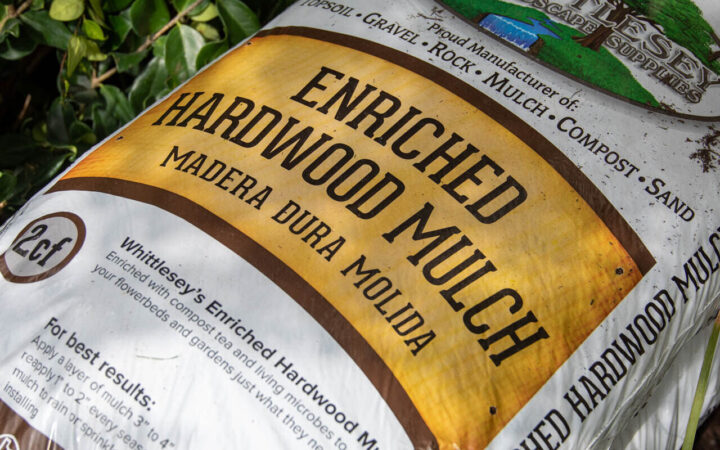
We use double-grind organic native hardwood mulch from Whittlesey Landscape Supplies on almost all of our landscapes.
It’s high-quality and natively sourced, so all those good local nutrients go right back into your soil.
We prefer natural brown mulch, but you can also get a black-dyed variant.
2. Dyed mulch
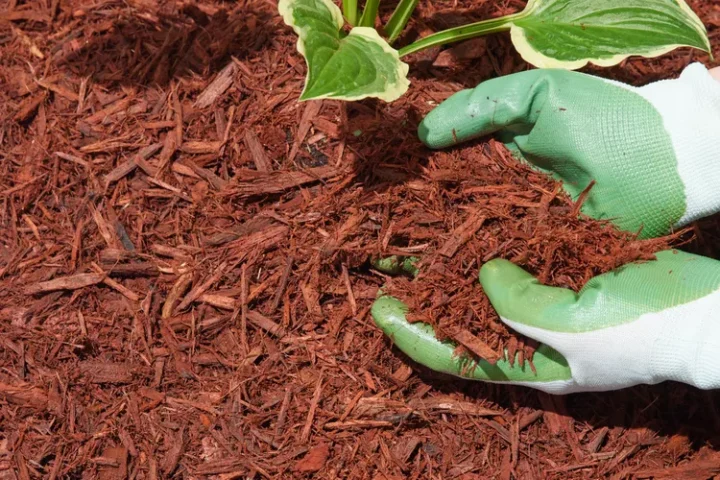
Usually shredded wood (sometimes scrap lumber) colored brown, black, or red. It holds color longer but may not be as nutrient-rich.
3. Cedar Mulch
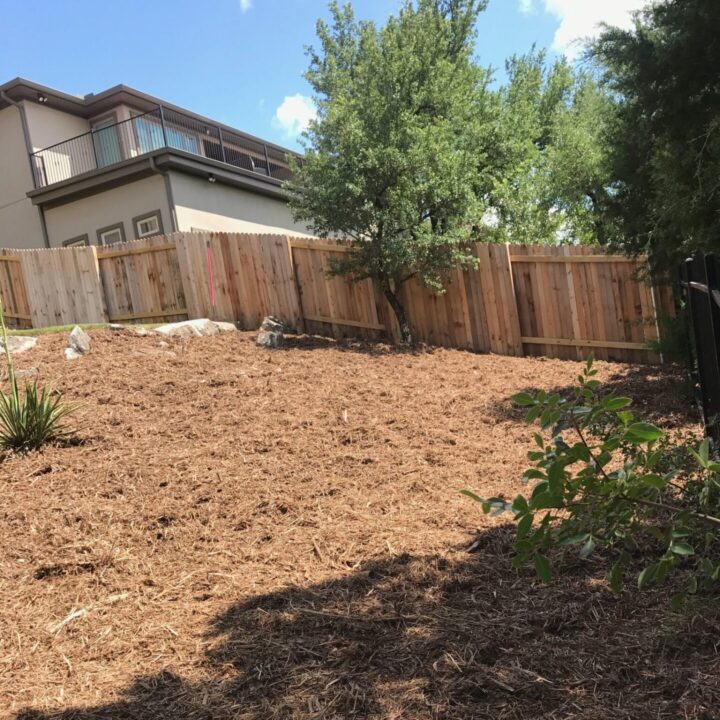
Cedar mulch is known for its longevity and insect-repelling properties. We don’t use it too often, but we will put it down in natural areas like native beds and where lawns back up to a green belt.
Cedar mulch is usually only single-grind or shredded. Those bigger pieces decompose more slowly and last longer.
4. Rubber Mulch
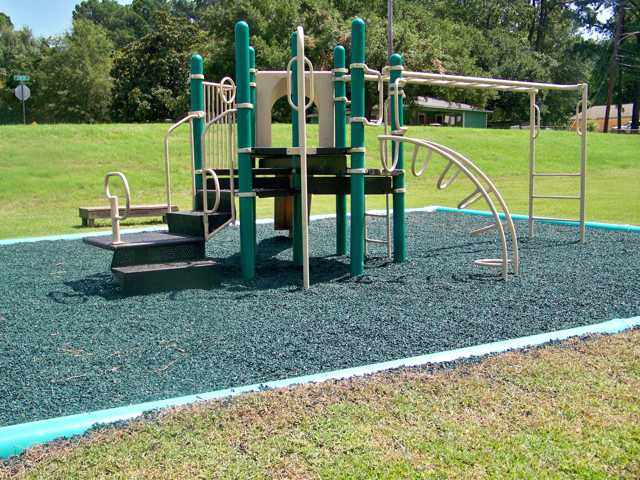
We’ll just say it: we don’t recommend it (unless around a playground). Doesn’t break down, doesn’t help your soil, and weeds can still grow through it. “Rubber mulch? That’s like showing up to a barbecue in leather pants. Wrong vibe. Sweaty. Unnatural. Regret.”
4. Is native mulch really better than other mulch?
Yes. Native mulch is made from the trees that already thrive in our climate and soil. It’s full of the compounds and microbial life that benefit native and adapted plants. Plus, it breaks down in a way that builds better soil in Central Texas. Imported mulch often contains different tree types and may not support your landscape as well.
5. What is mulching good for?
Lots of things:
- Suppresses weeds by blocking sunlight.
- Insulates the soil, keeping it cooler in the summer and warmer in the winter.
- Improves water retention—meaning less irrigation needed.
- Feeds the soil as it breaks down slowly over time.
- Looks great, tying your beds together and making everything look fresh.
6. Can mulch cause rot or pests?
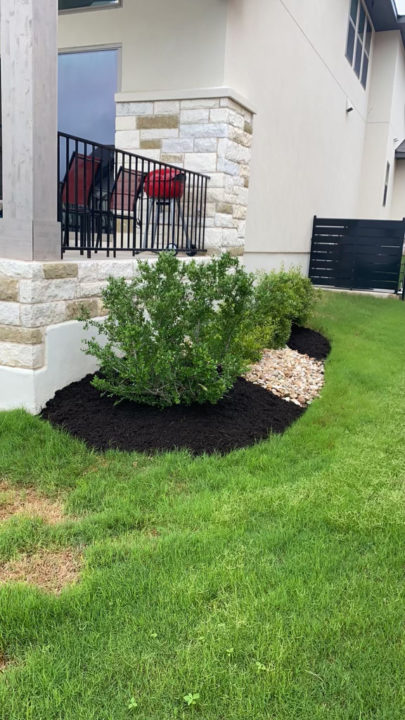
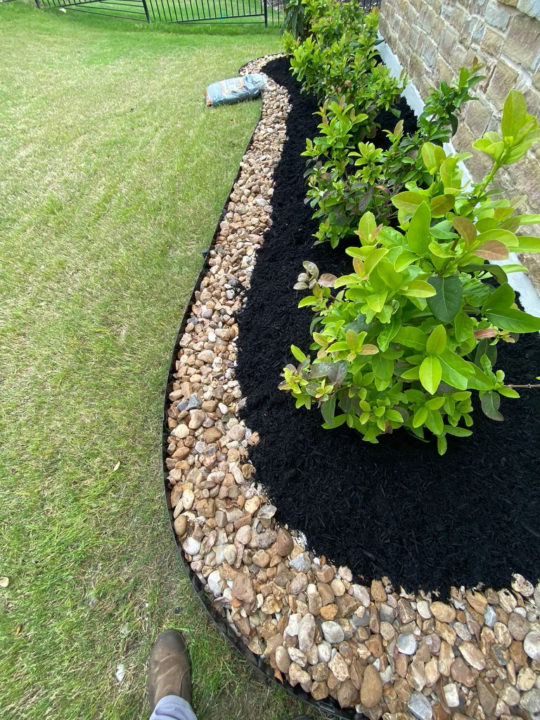
It can—if you pile it up like a volcano around your trees and shrubs. Keep mulch pulled back from the base of any plant to avoid rot and critter problems. Think donut, not muffin.
7. What about landscape fabric underneath mulch?
We don’t recommend it. Weeds are persistent and will eventually grow through the fabric or from above it. And once mulch breaks down, it creates a lovely little compost layer right on top of the fabric—exactly what weeds love. In short: the juice isn’t worth the squeeze.
8. How often should I refresh mulch?
Once or twice a year is plenty. Summer and winter are great times. In summer, it helps beat the heat. In winter, it protects roots and suppresses weeds that try to take advantage of dormant plants.
9. My mulch keeps disappearing. What’s the deal?
Mulch breaks down—especially good native mulch. That’s a good thing. It’s feeding your soil. But it does mean you’ll need to top it off once or twice a year. If it disappears too fast, check for drainage issues or wind/water runoff.
10. When’s the best time to mulch?
Summer and winter are great times. In summer, it helps beat the heat. In winter, it protects roots and suppresses weeds that try to take advantage of dormant plants.
11. What does it cost to have Top Choice mulch my beds?
It depends on the size of your beds and what kind of mulch you want—but we can do it in two ways (quoted, or hourly). Just ask!
12. What are five good mulch puns/jokes?
Oh, we’ve got you covered (get it?):
- This yard is mulch improved.
- You’re too mulch to handle.
- “Mulch is like a swimsuit in summer: too skimpy and it’s a mess, too bulky and it’s overkill—but get it just right, and suddenly the whole yard’s turning heads.”
- “Mulch is like a good secret—best when spread.”
- “Mulch covers a multitude of landscaping sins.”
(Sorry not sorry.)
Let’s Get to Mulchin’!
If you need a little help with mulch or bed maintenance, give us a call, and we’ll happily send a mulch crew your way!